Spring Hill and Thompson’s Station Lifestyle Guide
July 2, 2026
July 2, 2026
If you want more space without feeling disconnected from Nashville-area convenience, Spring Hill and Thompson’s Station deserve a close look. Both communities sit within the broader commuter orbit south of Nashville, yet each offers a different take on country-suburban living. If you are weighing lifestyle, access, and housing feel, this guide will help you sort through the differences and see which setting may fit you best. Let’s dive in.
Spring Hill and Thompson’s Station share a similar big-picture appeal. Both have grown quickly in recent years, and both still present themselves as more residential, lower-key alternatives to denser urban living.
Spring Hill spans Maury and Williamson counties and sits about 35 miles south of Nashville. Its 2024 population estimate was 59,398. Thompson’s Station sits in southern Williamson County between Franklin and Spring Hill, roughly 25 to 30 miles south of Nashville, with a 2024 population estimate of 9,081.
That growth matters because it helps explain the balance many buyers notice right away. You are not choosing between rural isolation and full suburban buildout. Instead, you are looking at two communities that blend neighborhood living, open space, and commuter access in different proportions.
The easiest way to compare these two places is to think of them as points on a spectrum. Spring Hill leans more suburban, while Thompson’s Station leans more country.
Spring Hill has the denser footprint and broader commercial growth pattern. Thompson’s Station feels more open, with lower density and a stronger long-term emphasis on preserving natural areas and rural character.
Both communities have planning goals tied to managed growth rather than unchecked expansion. Spring Hill’s Spring Hill Rising 2040 plan highlights natural areas, historic properties, rural character, and cultural preservation. Thompson’s Station’s All Aboard plan focuses on guiding growth while preserving the natural environment and cultural resources.
If you want a more built-out suburban rhythm, Spring Hill may feel familiar and practical. The city covers 26.78 square miles and has a population density of 1,867.5 people per square mile.
Spring Hill also has an owner-occupied housing rate of 73.4%, with a median owner-occupied home value of $493,800. Those numbers point to a substantial residential base and a market shaped by long-term homeownership.
The city’s newer growth story includes June Lake and the Buckner Road I-65 interchange. According to the city, that interchange creates a second I-65 access point and direct access to a planned district with 2,900 homes along with retail, office, and hotel space. For buyers, that signals continued suburban development and added convenience over time.
If your ideal setting includes more breathing room and a stronger sense of green space, Thompson’s Station may stand out. The town covers 20.35 square miles, but its population density is much lower at 367.9 people per square mile.
It also has an owner-occupied rate of 81.3% and a median owner-occupied home value of $700,500. That combination supports the impression of a more established, lower-density ownership market.
Town planning documents describe rolling hills west of Columbia Pike, along with a mix of agricultural and light-industrial land uses. Paired with the town’s preservation goals, that creates a setting many buyers associate with larger lots, more natural buffers, and neighborhood pockets woven into a greener landscape.
In both places, daily life tends to feel neighborhood-centered rather than urban-core centered. You are more likely to build routines around parks, local roads, and community gathering spots than around a single dense downtown district.
Age data helps paint part of that picture. In Spring Hill, about 28.9% of residents are under 18. In Thompson’s Station, about 26.9% of residents are under 18.
That does not define any one household’s experience, but it does suggest a day-to-day pattern shaped by local parks, after-school activities, community spaces, and home-centered routines. For many buyers, that is a major part of the appeal.
If you work in Nashville, Franklin, or nearby employment centers, access is likely high on your list. Both communities support a commuter lifestyle, with similar average travel times to work.
Spring Hill’s mean travel time to work is 30.0 minutes. Thompson’s Station’s is 30.5 minutes. Those nearly identical numbers suggest that, from a commuting perspective, both locations can function well for buyers who expect to drive regularly.
Spring Hill now benefits from two I-65 access points, including the Buckner Road interchange. Thompson’s Station is bisected by I-840 and sits between Franklin and Spring Hill, which adds flexibility for regional travel.
While both communities remain car-oriented, each is also investing in ways to move around beyond the car. That can shape how connected a place feels over time.
Spring Hill’s bicycle and greenway plan calls for bike lanes, greenways, and multi-use pedestrian trails that provide access to jobs, services, and commerce. That kind of infrastructure can support a more connected suburban experience as the city grows.
Thompson’s Station has a similar vision. Its greenway planning aims to connect subdivisions and schools to more than 300 acres of parkland and Town Center, and the town celebrated the opening of Phase 3 of the greenway in May 2026.
One of the clearest ways to understand country-suburban living is to look at where people gather. In both Spring Hill and Thompson’s Station, parks and civic spaces do a lot of that work.
In Spring Hill, everyday anchors include Evans Park, Fischer Park, Harvey Park, McLemore Park, Walnut Street Skatepark, the Spring Hill Public Library, and the Winchester Community Center in Evans Park. These are the kinds of places that often define weekly routines and local familiarity.
Spring Hill’s library also describes itself as a gathering place. At the same time, the city’s Town Center Redevelopment Committee continues to study how to create a more identifiable downtown area, which suggests community life is spread across multiple hubs rather than centered in one historic core.
Spring Hill also offers a blend of newer development and preserved history. On the Maury County side, Rippa Villa includes 98.4 acres of passive park space and hosts tours and living-history programming.
That adds a different texture to the area. If you like a suburban setting that still includes open-space destinations and local historical character, that combination may feel especially appealing.
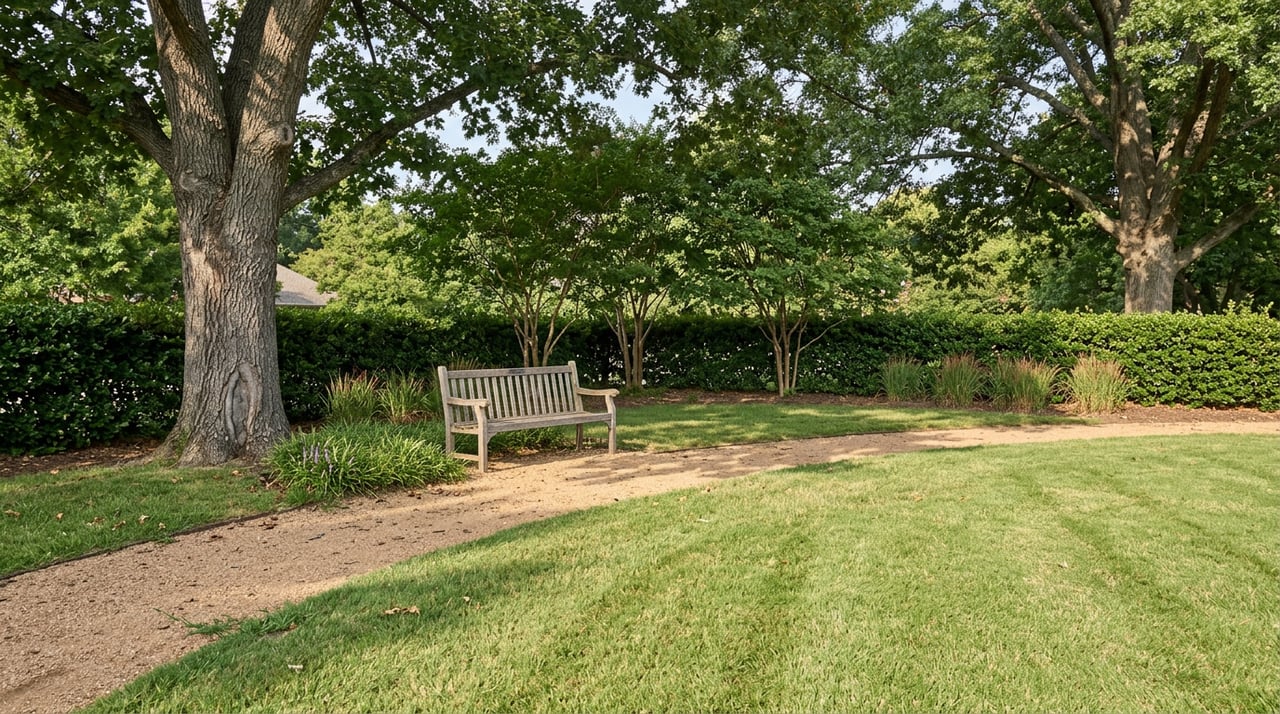
Thompson’s Station has a strong park and open-space identity. The town’s parks include Nutro Dog Park, Preservation Park, Sarah Benson Park, and the Community Center.
Preservation Park is a 200-acre natural-state park in the middle of town. That is a meaningful lifestyle feature if you value everyday access to protected green space.
The local parks framework also reflects the town’s broader planning vision. Parks spread across rolling hills and connected greenway goals reinforce the sense that nature is not just nearby, but central to the town’s identity.
If you want stronger commercial growth, denser neighborhoods, and a more established suburban pattern, Spring Hill may be the better fit. It offers a larger population base, a more developed civic and park network, and expanding infrastructure tied to future growth.
If you are drawn to lower density, rolling terrain, and a more preservation-minded setting, Thompson’s Station may feel more aligned. Its open-space identity and lower-density housing pattern can appeal to buyers who want a quieter, more country-leaning atmosphere while staying connected to the region.
For many buyers, the real answer comes down to your preferred daily rhythm. Do you want a more active suburban framework with continued commercial expansion, or do you want a more spacious setting where parks, greenways, and natural character take the lead?
When you compare Spring Hill and Thompson’s Station, it helps to look beyond price or commute time alone. The better question is how you want your home and surroundings to feel on a normal Tuesday, not just on move-in day.
You may prefer Spring Hill if convenience, growth, and a wider suburban service network matter most. You may prefer Thompson’s Station if open land, lower density, and a more country-suburban backdrop are at the top of your list.
A thoughtful home search should account for both the property and the lifestyle around it. If you want guidance comparing homes, lot settings, and neighborhood patterns across this part of Middle Tennessee, Redbird Real Estate is here to help.
Stay up to date on the latest real estate trends.
We pride ourselves in providing personalized solutions that bring our clients closer to their dream properties and enhance their long-term wealth. Contact us today to learn how we can assist you.
By submitting this contact module, you agree to be contacted by Redbird Real Estate, and it's affiliates, via call, email, and text for real estate services. To opt out, you can reply 'stop' at any time or reply 'help' for assistance. You can also click the unsubscribe link in the emails. Message and data rates may apply. Message frequency may vary. Link to Privacy Policy.
135 5th Ave S., Suite 100 Franklin, TN 37064