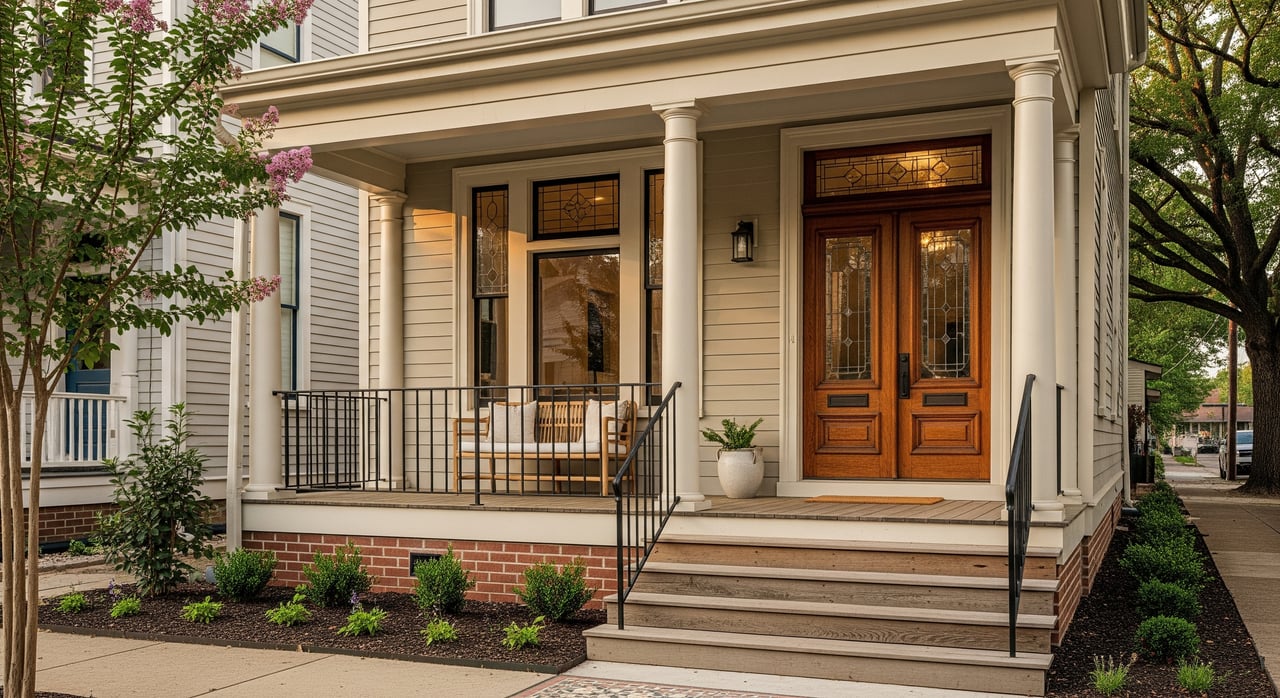
Earnest Money in East Nashville: How Much & When
December 4, 2025
December 4, 2025
Thinking about making an offer in East Nashville and wondering how much earnest money to put down? You are not alone. Earnest money can be confusing, especially when competition is high and timelines move fast. In this guide, you will learn what earnest money is, common local ranges, when to pay it, how contingencies protect you, and smart strategies to stay competitive without taking on unnecessary risk. Let’s dive in.
Earnest money is your good-faith deposit that shows a seller you intend to buy. It is typically applied to the purchase price at closing unless the contract says otherwise. It is not the same as your down payment or closing costs. Instead, it signals commitment while you complete inspections, financing, and appraisal.
In Tennessee, the Purchase and Sale Agreement sets the amount, where the funds are held, the delivery deadline, and when the money is refundable or forfeited. Earnest money is usually held in a broker’s trust account or a title company’s escrow account until closing or a proper release.
East Nashville homes often attract strong interest and multiple offers at times. Earnest money expectations can shift with price point and competition.
Amounts depend on list price, competing offers, your financing strength, and the contingencies you include. A trusted local agent can help you right-size the deposit for the current East Nashville market.
Your contract will set the earnest money delivery deadline. Common local timelines include:
Shorter timelines can strengthen an offer but increase your risk unless your lender and inspector are lined up.
Contingencies are your safety net. When used correctly and on time, they can protect your earnest money.
During the inspection and resolution period, you can terminate per the contract if needed. If you cancel within the deadline and follow the notice steps in the agreement, your earnest money is typically refundable.
If your loan falls through and you terminate within the financing contingency, you can usually recover the deposit. If an appraisal comes in low and the contract allows termination under the appraisal clause, your earnest money may be returned when you cancel within the terms.
If title defects are not cured as the agreement requires, you may be able to withdraw with a refund of your deposit. Review title timelines and response rules closely.
This contingency appears less often in competitive settings. If included, your refund rights depend on the exact wording and deadlines.
A seller may be able to keep the earnest money if you breach the contract after contingency periods expire and the agreement provides for that remedy. Common examples include:
Your earnest money is usually refundable when you terminate within a valid contingency period and follow the contract’s notice steps. Sellers and buyers can also sign a mutual release to direct the funds. If the seller breaches or cannot deliver marketable title, many forms call for your deposit to be returned.
If there is a dispute, options can include negotiating a mutual release, mediation or arbitration if required by the contract, court action, or an escrow holder interpleading funds when allowed. The contract controls the process and timing.
In Tennessee practice, deposits are commonly held by a broker’s trust account or a title and closing company’s escrow account. The contract names the holder.
Buyers commonly use a personal check, certified or cashier’s check, or a wire transfer. Wires are fast but require extra care.
You can balance strength and safety with a few proven approaches in East Nashville:
Illustrative ranges:
Buying in East Nashville is exciting, and earnest money is a key part of writing a winning offer. With the right amount, clear timelines, and smart protections, you can be competitive and confident at the same time. If you are ready to move or want a second opinion on your offer plan, connect with the local team that treats your purchase like their own. Reach out to Redbird Real Estate to Request a Complimentary Home Consultation.
Stay up to date on the latest real estate trends.





We pride ourselves in providing personalized solutions that bring our clients closer to their dream properties and enhance their long-term wealth. Contact us today to learn how we can assist you.

By submitting this contact module, you agree to be contacted by Redbird Real Estate, and it's affiliates, via call, email, and text for real estate services. To opt out, you can reply 'stop' at any time or reply 'help' for assistance. You can also click the unsubscribe link in the emails. Message and data rates may apply. Message frequency may vary. Link to Privacy Policy.
135 5th Ave S., Suite 100 Franklin, TN 37064