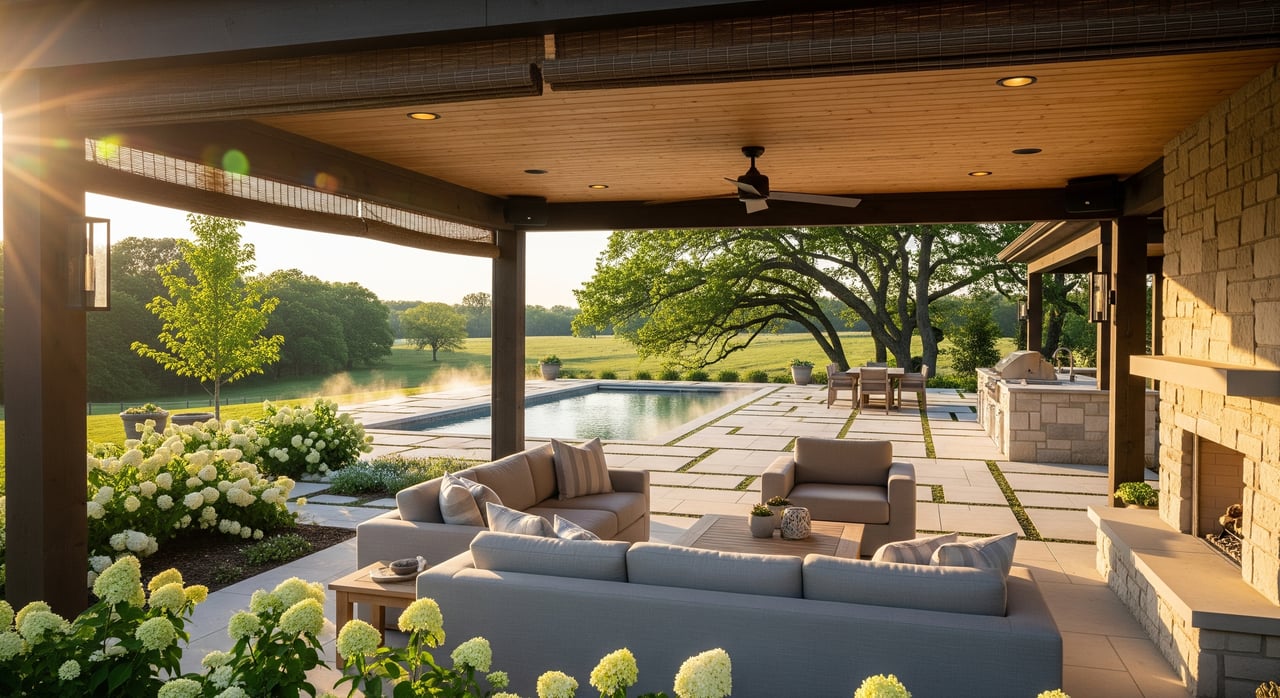
Heat-Smart Outdoor Living Design in Spring Hill
November 6, 2025
November 6, 2025
You love your yard, but summer afternoons in Spring Hill can feel close to 95 to 100°F with heavy humidity. That kind of heat can make a porch or patio unusable if it isn’t designed well. You also want features that photograph beautifully and hold value when it’s time to sell. In this guide, you’ll learn what works in our climate, how to choose durable materials, and which upgrades appraisers take seriously. Let’s dive in.
Spring Hill summers are hot and humid, with average July highs around 90°F and frequent heat index spikes in the mid to high 90s. We also see roughly 45 to 55 inches of rain each year and occasional winter freezes. Those conditions push you to focus on shade, airflow, drainage, pest resistance, and materials that won’t warp, rot, or corrode.
What that means for your outdoor spaces:
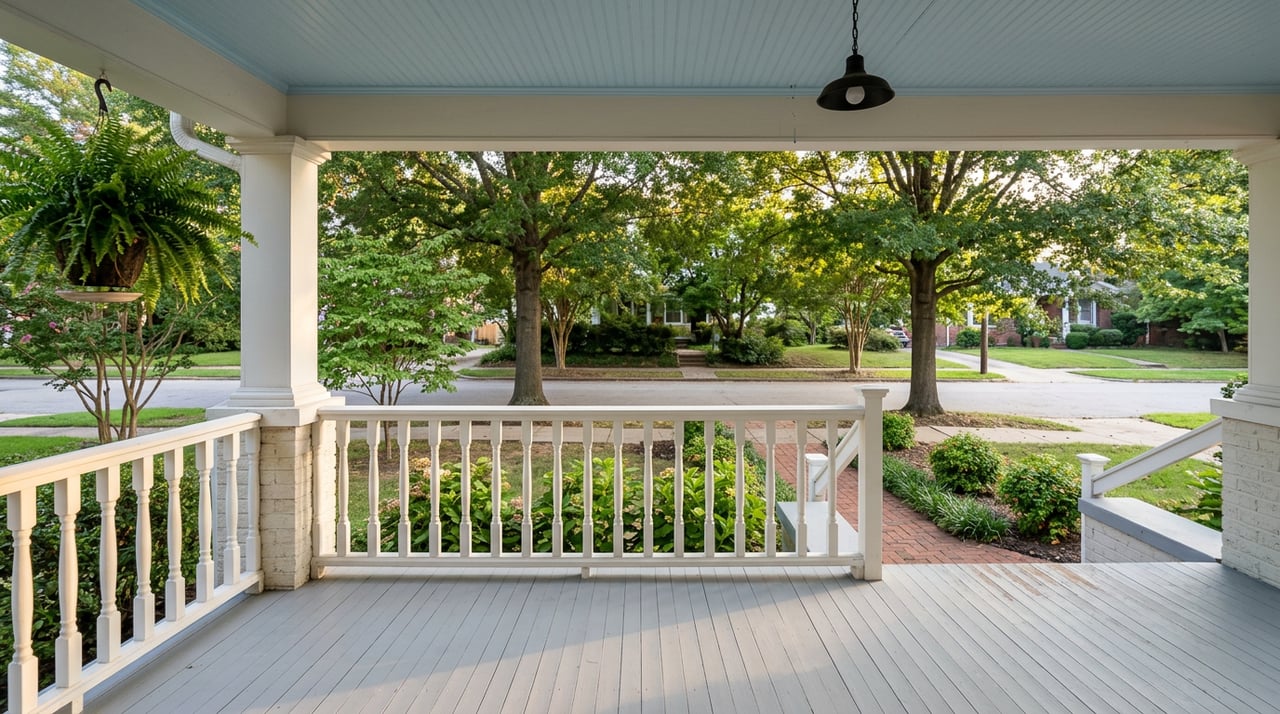
A well-built screened porch gives you bug-free evenings, steady shade, and a feature buyers understand and value.
Tie the porch roof into the main roofline with proper flashing to move water away from the house. An insulated ceiling or a radiant barrier helps reduce radiant heat. If the porch is unconditioned, a vented porch roof can also lower heat buildup.
Install exterior-rated ceiling fans and plan openings to catch prevailing breezes. Place fans to create cross-flow rather than pushing hot air into a corner. If you plan to condition the space later, know that insulation and HVAC additions require permits and upgrades to meet code.
Slope floors for drainage, keep ledger boards dry with proper flashing, and use flooring that tolerates occasional dampness. Clean screens and surfaces regularly to prevent mildew.
A beautiful outdoor kitchen is a lifestyle upgrade and, if built in, an improvement that appraisers can count.
Select appliances rated for outdoor use with weather-resistant components. For gas, hire licensed contractors, include shutoff valves, and follow clearance and ventilation requirements. Plan dedicated electrical circuits and GFCI protection for outlets near water.
Use stainless sinks and exterior-rated fixtures. Insulate lines and plan a winter shutoff and drain-down to avoid freeze damage.
Confirm your patio or deck can support the load of appliances and stone counters. For built-in grills in semi-enclosed areas, follow manufacturer and safety guidance for noncombustible backing, clearances, and ventilation.
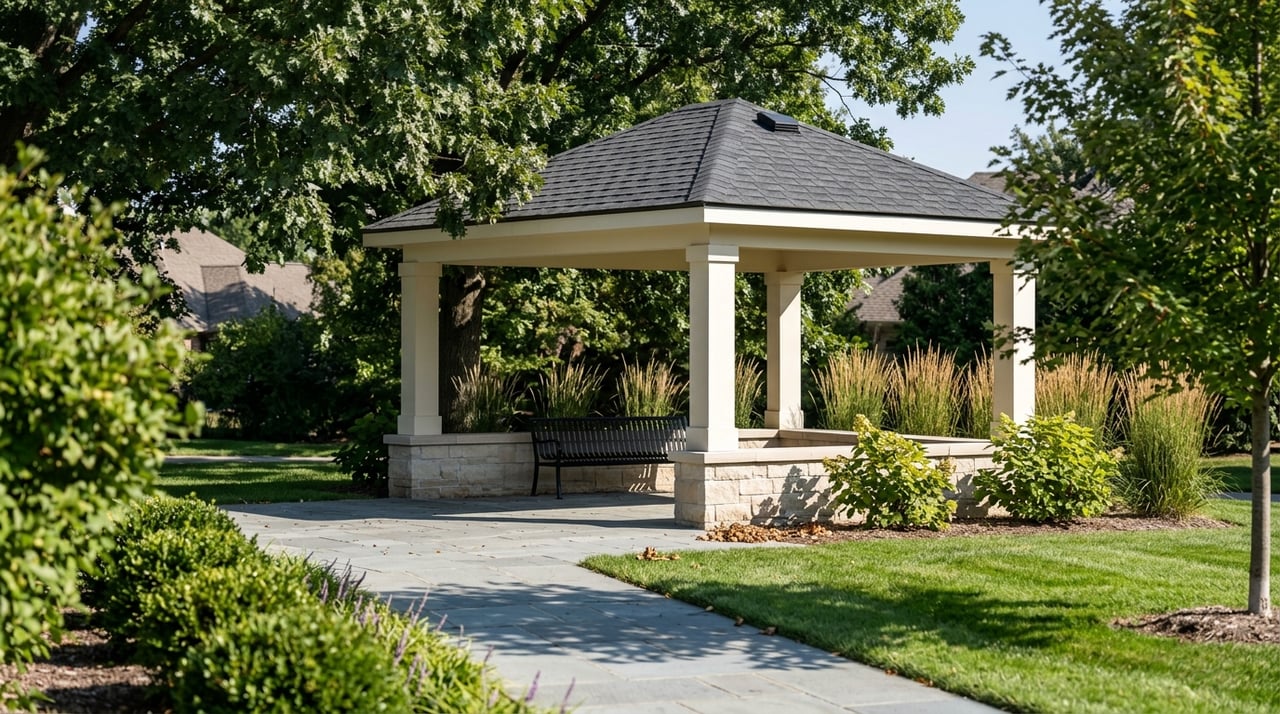
You feel the difference the moment you step under real shade. Combine plantings with built structures for comfort that lasts all day.
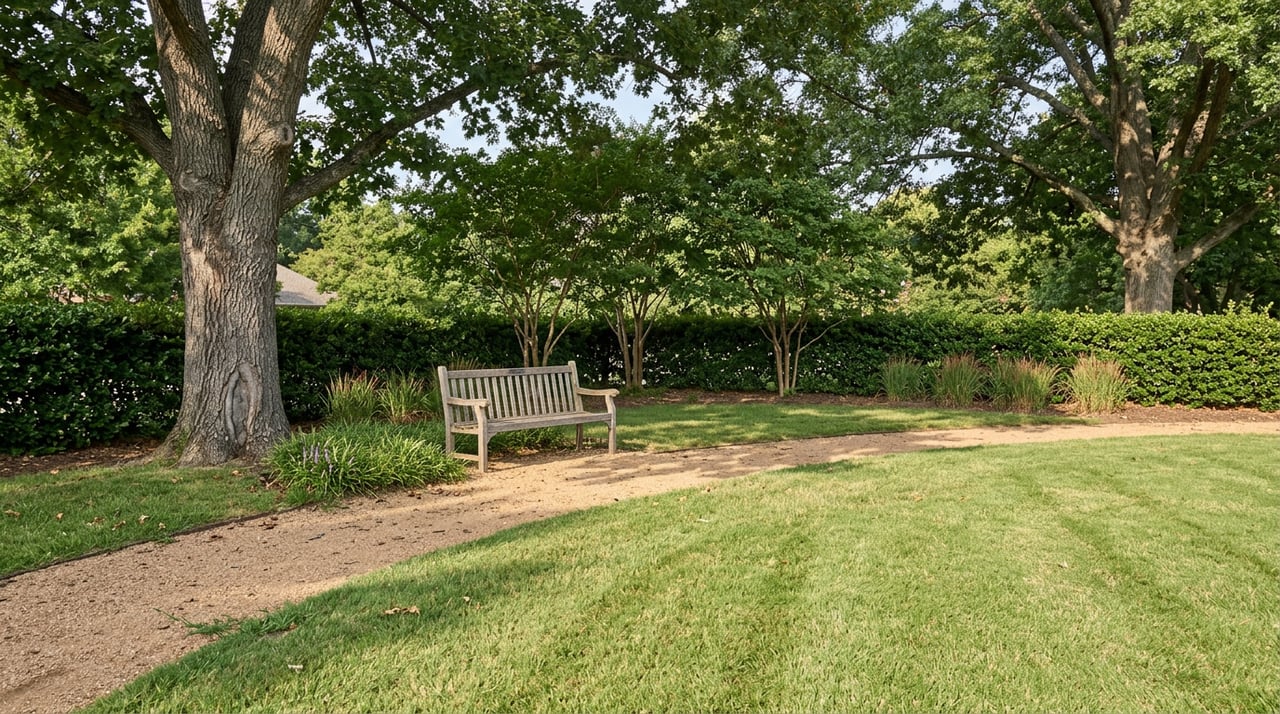
Deciduous trees on south and west sides deliver summer shade and winter sun. Consider native oaks, red maples, and suitable understory trees. Vines like crossvine or trumpet vine on a pergola can provide seasonal coverage with some maintenance.
Maximize cross-ventilation with openings on multiple sides. Pick light-colored roofing and hardscape to reflect heat. Thoughtful tree placement can reduce surrounding temperatures and help nearby interiors stay cooler.
Your floor takes the most abuse from sun, rain, and foot traffic. Pick materials that resist heat and humidity.
Capped composite boards resist moisture and fading better than raw wood. Follow manufacturer spacing and ventilation rules. Composites can get hot in direct sun, so choose lighter colors or add shade.
If you prefer wood, use rot-resistant species or pressure-treated lumber and maintain it. Use stainless or properly coated fasteners to avoid staining and corrosion.
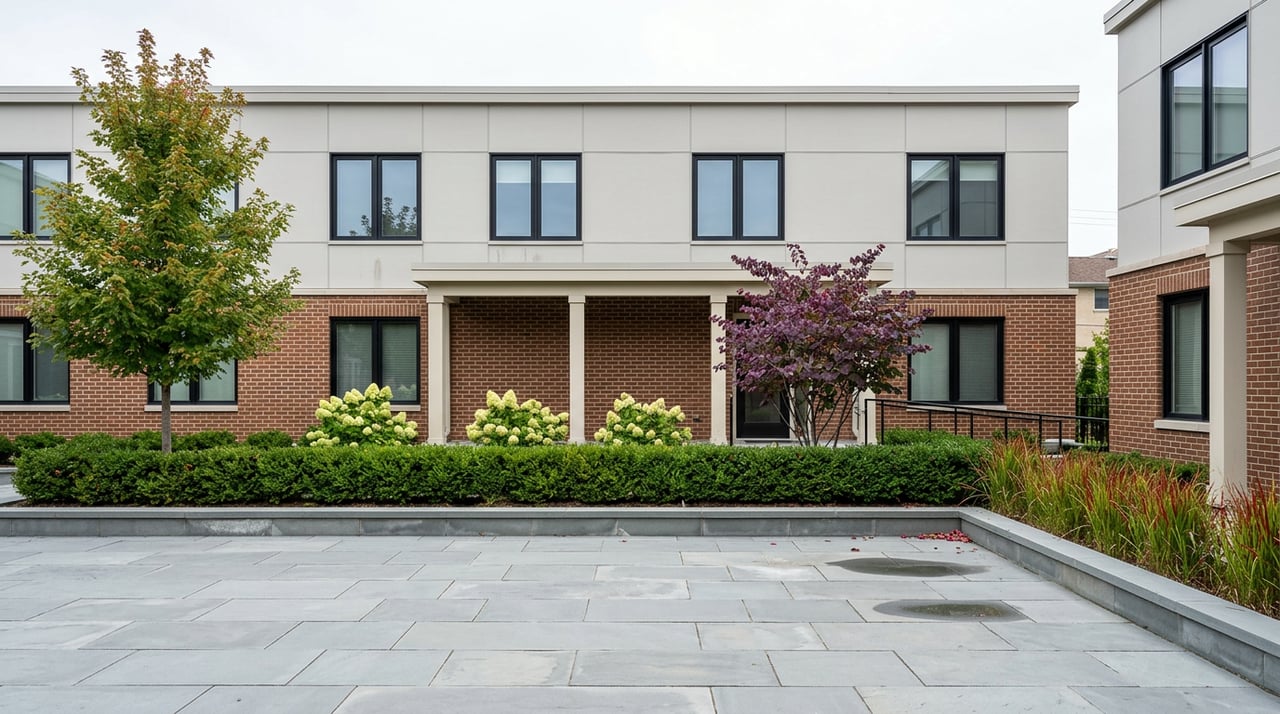
Porcelain pavers are UV-stable, nonporous, and ideal for humid conditions. Natural stone like bluestone or granite is durable; confirm slip resistance and sealing needs. Concrete is cost-effective when mixed, sloped, and sealed correctly, and can be stamped or colored for a refined look.
Permeable pavers reduce runoff during summer storms and help keep water away from foundations. They can also cut splash-back on siding and keep walking surfaces drier.
Moisture and insects are part of life in Middle Tennessee, so plan to outsmart them.
Great lighting makes your space usable after dark and helps your listing photos glow.
All exterior receptacles should be GFCI protected with weatherproof covers. Plan dedicated circuits for refrigerators, ice makers, and lighting, and have a licensed electrician handle load calculations and installation.
LED fixtures run cooler and use less energy. Warm-color LEDs look better in photos and attract fewer insects than broad-spectrum lights. Layer task, ambient, and accent lighting so cooking, dining, and lounging zones all feel intentional.
Choose durable screens, fix drainage issues, and avoid lighting that draws swarms to your seating area. Warm-white or amber “bug” bulbs can help.
In Maury County, permanent roofed porches and any gas, electrical, or plumbing work typically require permits and inspections. Unpermitted work can create issues at appraisal and during underwriting. Always check county requirements and your HOA before starting.
Appraisers tend to value permanent, well-documented features. A covered, finished porch with integrated lighting reads as an improvement. A built-in outdoor kitchen with plumbed gas, wired power, and finished counters is treated differently than a portable grill and a rolling cart. Keep invoices, plans, and permits organized for your records.
Every project is unique, but these ballparks can help you plan:
A polished outdoor space helps buyers imagine living there. Keep it simple and clean.
Thoughtful upgrades can give you real comfort in summer and meaningful value at resale. If you’re weighing a porch, kitchen, or shade project before listing, or you want advice on what will matter most to buyers in Spring Hill, we’re here to help. Request ideas, vetted contractor referrals, or a pricing strategy that aligns with your goals.
Ready to plan your outdoor space or prep for market? Request a Complimentary Home Consultation with Redbird Real Estate to get a tailored plan for your property.
Stay up to date on the latest real estate trends.
We pride ourselves in providing personalized solutions that bring our clients closer to their dream properties and enhance their long-term wealth. Contact us today to learn how we can assist you.
By submitting this contact module, you agree to be contacted by Redbird Real Estate, and it's affiliates, via call, email, and text for real estate services. To opt out, you can reply 'stop' at any time or reply 'help' for assistance. You can also click the unsubscribe link in the emails. Message and data rates may apply. Message frequency may vary. Link to Privacy Policy.
135 5th Ave S., Suite 100 Franklin, TN 37064